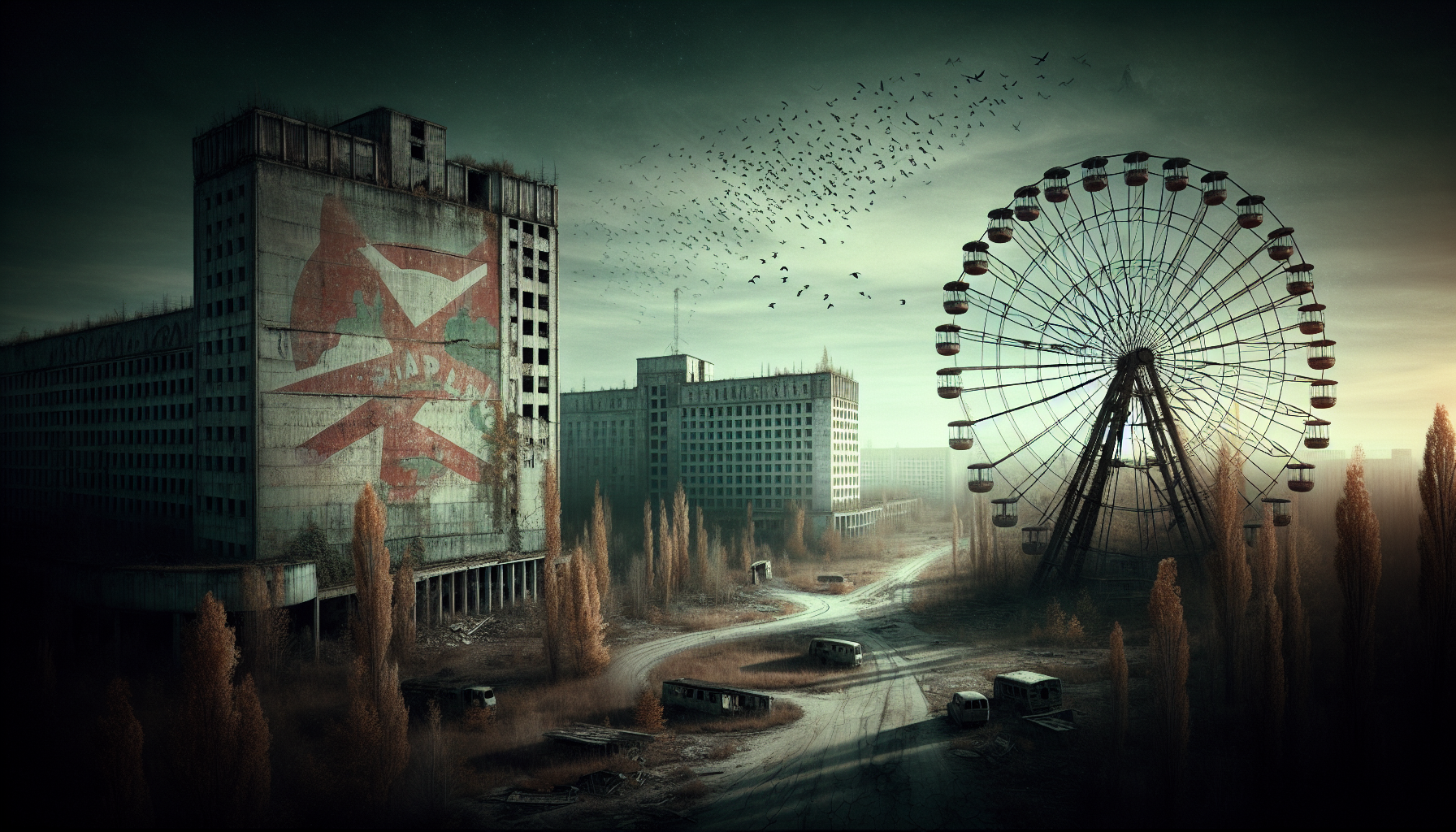
Reflecting on the 40th Anniversary of the Chernobyl Nuclear Disaster
As the world approaches the 40th anniversary of the Chernobyl nuclear disaster on April 26, 2026, it is essential to reflect on the enduring impact of this significant event. The explosion of reactor No. 4 at the Chernobyl Nuclear Power Plant in Ukraine is one of the most catastrophic nuclear incidents in history, with repercussions that have echoed through the decades.
The Event: A Brief Overview
On that fateful night in 1986, a safety test went tragically wrong, leading to a massive explosion that released over 400 times more radiation than the atomic bomb dropped on Hiroshima. The immediate consequences were devastating: two plant workers died on the night of the explosion, and 28 firefighters succumbed to acute radiation sickness in the weeks that followed.
The Soviet government’s initial response was marked by secrecy and misinformation, significantly complicating the situation. The disaster forced the evacuation of over 100,000 people from Pripyat and surrounding areas, creating a ghost town that remains largely uninhabitable to this day.
Environmental and Health Impacts
Radiation released from the disaster affected vast areas of Europe, leading to long-term environmental contamination. The Chernobyl Exclusion Zone, a 30-kilometer radius around the plant, remains largely abandoned, although nature has surprisingly flourished in the absence of human activity.
Nevertheless, the human toll continues to be felt. Although estimates vary, thousands of cases of thyroid cancer—particularly among children exposed to radioactive iodine—have been linked to the disaster. Mental health issues, including anxiety and depression, have also been reported among survivors.
Lessons Learned
The Chernobyl disaster highlighted critical failures in safety protocols, emergency response, and the importance of transparency in crisis situations. As a result, international nuclear safety standards have been revised, and there’s been a concerted effort to enhance communication and cooperation among nuclear nations.
Today, many countries have strengthened their nuclear regulatory frameworks and invested in advanced technology aimed at preventing such disasters from occurring again.
Cultural Legacy
The cultural impact of Chernobyl extends far beyond its immediate consequences. It has been the subject of numerous documentaries, books, and films, including the acclaimed HBO miniseries “Chernobyl,” which brought the story of the disaster to a new generation of viewers, emphasizing not just the technical failures but also the human stories intertwined with the catastrophe.
As we approach the 40th anniversary, various memorial events, discussions, and exhibitions are planned worldwide, fostering dialogue about nuclear energy’s role in our future. The lessons learned from Chernobyl continue to be relevant as nations grapple with their energy needs in an era of climate change.
Nature’s Resilience
Interestingly, while Chernobyl remains a cautionary tale about the dangers of nuclear energy, nature has shown remarkable resilience in the area surrounding the site. Animal populations have rebounded, and flora and fauna thrive without human interference. This phenomenon has led scientists to study how wildlife adapts to environmental radiation, offering insights into resilience and recovery.
This unexpected reclamation by nature serves as a poignant reminder of the environmental costs of human activities and the necessity of stewardship for our planet.
The Future of Nuclear Energy
As the 40th anniversary of the Chernobyl disaster approaches, it is crucial to revisit the conversation about nuclear energy. Many nations are reconsidering their energy policies in light of climate change, with nuclear power positioned as a low-carbon energy source. However, the shadow of Chernobyl looms large, influencing public perception and policy discussions.
It is vital to ensure that advancements in nuclear technology prioritize safety, transparency, and environmental stewardship to rebuild public trust.
Conclusion
The 40th anniversary of the Chernobyl disaster is not just a moment to reflect on the past but also an opportunity to contemplate the future. The lessons learned from Chernobyl should guide our approach to nuclear energy and environmental safety, reminding us of the need to balance technological advancement with responsible stewardship of the Earth.
As we contemplate these lessons, the collective memory of Chernobyl should empower us to ensure a safer, more sustainable future for generations to come.
Leave a Reply